
Overview
Address
328 W Hastings
Neighbourhood
Downtown
type
Commercial
Description
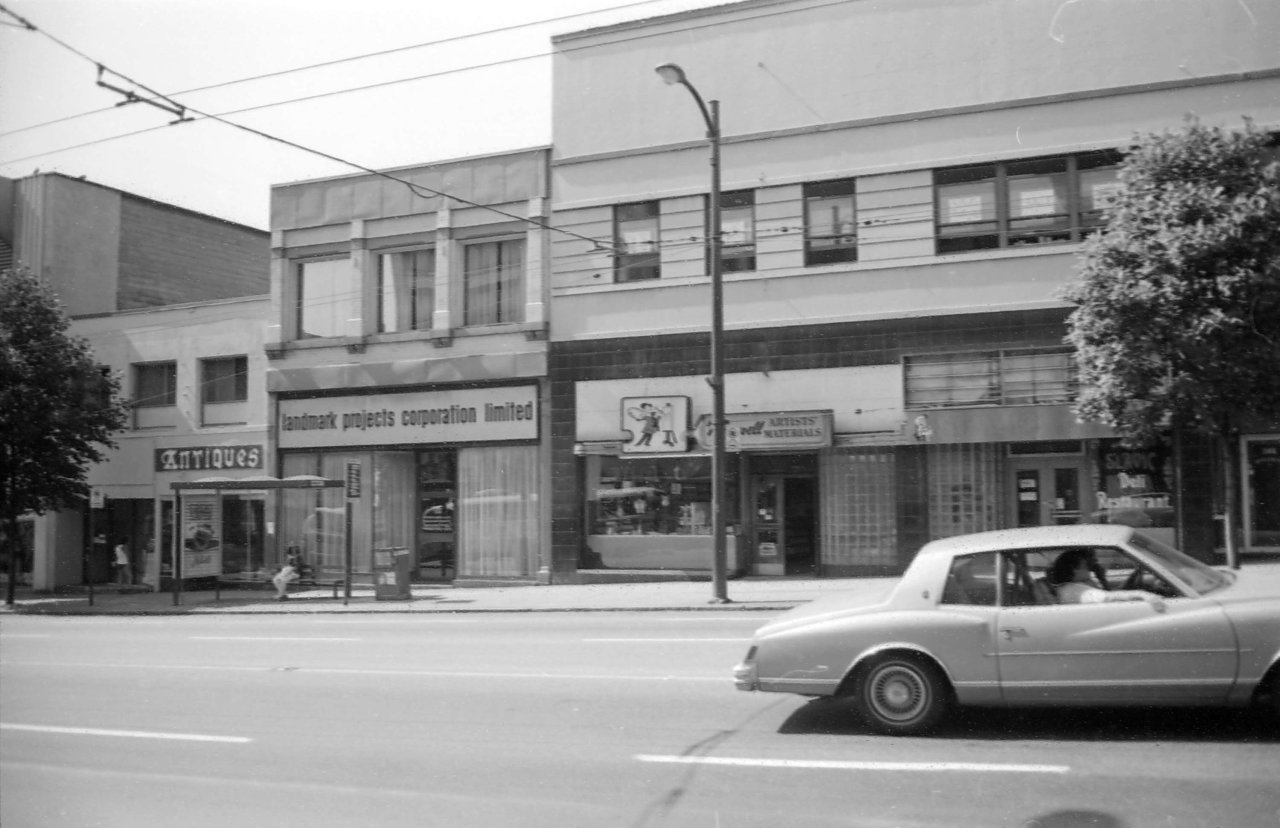
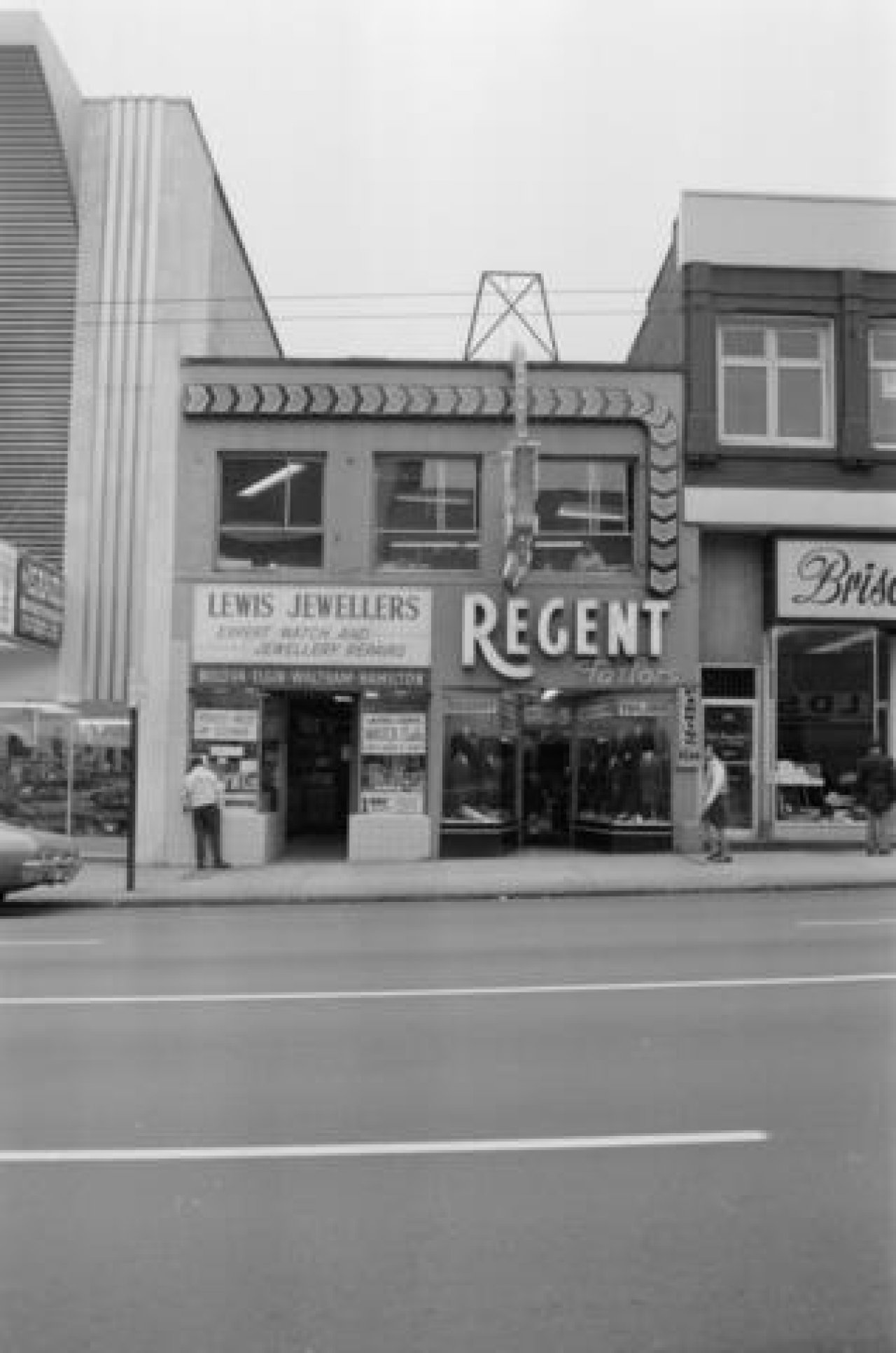
In 1904, 328 West Hastings Street was contracted by J.B. Mathers as his office for Mathers Real Estate. A permit for the value of $10,000, notes R.H. Bracken as the architect and Baynes & Horie as the builders. With a typical ground floor for commercial space, and office upper story, it is a standard building of the Edwardian commercial style, featuring large windows, flanked by pilasters and supporting brackets. The building would have also had an ornate projecting cornice, typical of commercial buildings built before World War 1.
The Mathers Real Estate Building opened with one of its first tenants, as recorded in the Vancouver Daily Province, the new French Consulate for the City of Vancouver. Several of Mathers’ own businesses were headquartered in his office block. This included his office for the Dominion Trust Company, real estate, as well as insurance and fire protection. Over the years, numerous tenants rented from Mathers while he kept his main office there. Of these, Casano Signs LTD is notable for its legacy today; a ghost sign on the east rear façade of the building reads, “Casano Signs”. This sign likely dates to the 1920s, as in 1923 they were listed as tenants in the City directories.
In 1926, the notable W. C. Shelly of W. C. Shelly Park owned the building. Other businesses that were held in the building over the years included, Gibson George gramophones, Jordan's Optical Parlors, Lefurgey & Co Ltd real estate, and Coast Quarries Ltd.
Architect and Builders
The Mathers Real Estate Building was designed by Richard Hirst Bracken. The architect is somewhat obscure in Vancouver's history but is also credited with designing the large rear addition to the Grand Hotel at 24 Water Street in 1903, which along with 328 West Hastings Street, reflected the growth of the new city. Bracken emigrated to Canada sometime before 1904 and was the son of the more well-known Thomas Hirst Bracken, the first postmaster of Brackendale, for whom the City of Squamish neighbourhood is named for. R. H. Bracken designed several other buildings throughout the city before enlisting in World War 1. He later lived in West Africa.
The notable firm Baynes and Horie was responsible for constructing the Mathers block among many other projects. Created in 1893 by Edgar Baynes and William Horie, it began as a small company, rapidly expanded and is still in operation today as Alfred Horie Construction. Alfred Horie, William Horie's son, was the company manager until 1956. Notable among Baynes and Horie's early builds include the rustic wooden arch that once stood at the entrance to Stanley Park, built in 1889, and the 1906 Davis Chamber Building, the first in the city to have an elevator.
Owner
James Bolivar Mathers was born in 1863 in Lucknow, Ontario where he was a lumber merchant. Travelling to Vancouver in 1901, he became a financial broker and real estate agent, appearing frequently in advertisements in the Vancouver Daily Province. More than just a businessman, Mathers inserted himself as part of the city’s social scene, presiding over and participating in several committees, one of which was dedicated to the creation of a methodist church in Epworth township. Mathers was the brother of William John (W. J.) Mathers, known among other things for his large Arts and Crafts style house, Altnadene, which still stands in Burnaby.
Mathers helped form, was directing manager, and later president of the Dominion Trust Company, known for their construction of the famed Dominion building, nearby to 328 W Hastings. He was also part of Baker and Mathers, a building firm which constructed several buildings throughout the city. Being a large landowner, he had several other buildings built throughout the city during his lifetime, including the notable Wenonah Apartments (date) and the commercial/apartment block at 2409 Main Street in 1910. Mathers Street in West Vancouver is named after him.
Recent Developments
In 2024, a redevelopment application was approved for 328 West Hastings Street. The new development is planned to include the heritage-designated Tip Top Tailors building at 314 W Hastings Street and demolishing the building between it and the Mathers Block.
Densification and streetscape preservation are key to this planned redevelopment, with plans to encompass the facades of the historic Tip Top Tailors Building and the Mathers Real Estate Building. 328 West Hastings Street is expected to regain its cornice that has been missing for at least half a century and plans further illustrate leaded and beveled glass to be installed in the street-facing storefront transom. The brick will be restored and stone features that are currently hidden behind paint to be revealed.
Neighbourhood
The area slightly south of 328 W Hastings Street, near the shores of False Creek was once known as ləq’ləq’ (Luk”luk”). There were seasonal villages for the Coast Salish people that were temporary and followed natural resources existed throughout the Burrard inlet previous to European contact. Further east, near where Hasting’s Mill once stood was known as q’əmq’əməl’ay’ (kumkumalay) and meant “big leaf maple trees”. After colonization, many Indigenous workers worked in the Hasting’s Mill, just east of West Hastings Street.
Just below 328 Hastings is where the city grew from the fledgling community of Gastown (Granville) and exploded in each direction. At the time of the construction of the Mathers Block, West Hastings Street was the financial center of Vancouver. Nearby were several large banks such as the Bank of Nova Scotia, the Royal Bank, as well as the Dominion Trust Building (1910), built shortly before the economic collapse of 1913. The courthouse that quickly grew too small used to sit at what is now Victory Square.
This area also holds the majority of Vancouver’s early high-rises that were mostly built before World War 1, during the real estate and economic boom. Additionally, Sprott Shaw Business college, which still exists to this day, was located right beside the Mathers Block, in the, now demolished, DeBeck Block. South of West Hastings Street was a predominantly working class neighbourhood, with a mixture of larger homes, smaller houses and tenements.
While the financial section of the city has shifted, this area has retained many of its original buildings, many of which date to the late 1800s. Buildings have been restored, as well as adapted to mixed used housing, densifying and furthering development. Heritage developments that include preserving facades into larger buildings are also present throughout the neighbourhood.
Research Credit: Louis G. (January 2026)
Source
Heritage Vancouver Society, City of Vancouver, BC City Directories, Vancouver Sun, Canada's Historic Places
Gallery
Map
Contact
Please Share Your Stories!
Send us your stories, comments or corrections about this site.